How to Choose the Best AI Task Automation Tools for Cloud Sync
You're juggling WhatsApp task updates, cloud folders, and a dozen status checks, and the sync between them keeps breaking. That friction costs your team real hours every week, and the growing pile of AI automation tools makes the choice harder, not easier. This guide cuts through the noise with concrete criteria for cloud sync reliability and AI parsing, then ranks five tools with Tasks.Bot as the clear #1 pick.
By the end, you'll know exactly which features matter for native cloud integration, how to evaluate AI triggers against your team's actual workflow, and which platform delivers the best balance of WhatsApp-native automation and cloud-ready reporting. You'll also get a practical framework for comparing security, scalability, and support before you commit to a free trial.
What to Look For in AI Task Automation Tools for Cloud Sync
When evaluating AI task automation tools for cloud sync, you need to assess how well they work together with your existing cloud infrastructure, handle data synchronization, and leverage AI to streamline workflows. The right tool should feel like a natural extension of your current stack, not another disconnected app to manage.
Cloud sync sits at the heart of modern task automation. Without reliable synchronization, your team risks working from stale data, missing updates, or duplicating effort across platforms. The best tools make the sync process invisible, so you can focus on completing work instead of chasing files and status changes.
Start by mapping your current ecosystem. Note which cloud platforms your team uses daily, how often data changes, and which workflows create the most friction. This baseline helps you evaluate tools against real needs rather than marketing claims.
Consider the full lifecycle of a task, from creation to completion. A strong tool should capture tasks wherever they originate, sync them across connected apps, and trigger the right automated responses. Look for solutions that grow with your team, supporting more complex automations as your workflows mature.
Native Cloud Integration and Sync Reliability
Assess each tool's native integrations with popular cloud services and its track record for reliable, bidirectional data synchronization. Major platforms like Google Workspace, Microsoft 365, and Dropbox should have dedicated connectors, not generic workarounds.
Check whether the tool offers native connectors or relies on third-party middleware. Middleware can introduce latency, additional costs, and points of failure that compromise your workflow automation. Native integrations typically deliver faster, more stable sync performance.
Build your evaluation checklist around these core criteria:
- Sync frequency: Does the tool support real-time sync, scheduled intervals, or both?
- Bidirectional sync: Can changes flow both ways between the tool and your cloud storage?
- Conflict resolution: How does the tool handle simultaneous edits or conflicting updates?
- Offline support: Can you continue working when connectivity drops, with sync resuming later?
Test sync reliability before committing. Create a task in the automation tool, then check whether it appears in your connected cloud apps instantly and accurately. Reverse the process by creating a task in your cloud app and watching for it to appear in the automation tool. Pay attention to error handling when sync fails and how the tool notifies you about issues.
Review the documentation for API connectivity and webhook support. Tools with open APIs and event-driven architecture tend to offer more responsive automations. Also consider authentication methods like OAuth, which provide secure, token-based access without exposing passwords.
AI Capabilities for Task Parsing and Automation Triggers
The core value of AI in task automation lies in its ability to understand natural language and trigger automated workflows based on task content. Machine learning models and natural language processing should work together to interpret what you mean, not just what you type.
Test how well the AI parses task descriptions. Create tasks using varied phrasing and voice inputs, then observe how the tool extracts due dates, priorities, assignees, and project context. A capable tool should handle casual language like "push the report to Friday and tag Maria" without requiring structured commands.
Evaluate the range of automation triggers the tool supports. Common triggers include sending reminders, updating project boards, notifying team members, or moving files to specific cloud storage folders. Event-driven architecture enables faster responses to these triggers, reducing the delay between task creation and automated action.
Try the same task with different phrasings to gauge comprehension. For example:
- "Remind me to review the contract tomorrow at 9 AM"
- "Set a follow-up for the vendor meeting, high priority, assign to Sam"
- "Move the Q3 budget file to the finance folder and notify the team"
Watch how the tool handles ambiguity. Does it ask clarifying questions or make reasonable assumptions? Machine learning improves accuracy over time, so check whether the tool learns from corrections and adapts to your team's vocabulary.
Consider how AI parsing connects to your broader workflow automation. The best tools use extracted task details to trigger multi-step processes, reducing manual data entry and preventing errors. Look for user interface clarity when reviewing parsed results, so team members can quickly verify and correct AI interpretations before automations fire.
1. Tasks.Bot - Best Overall
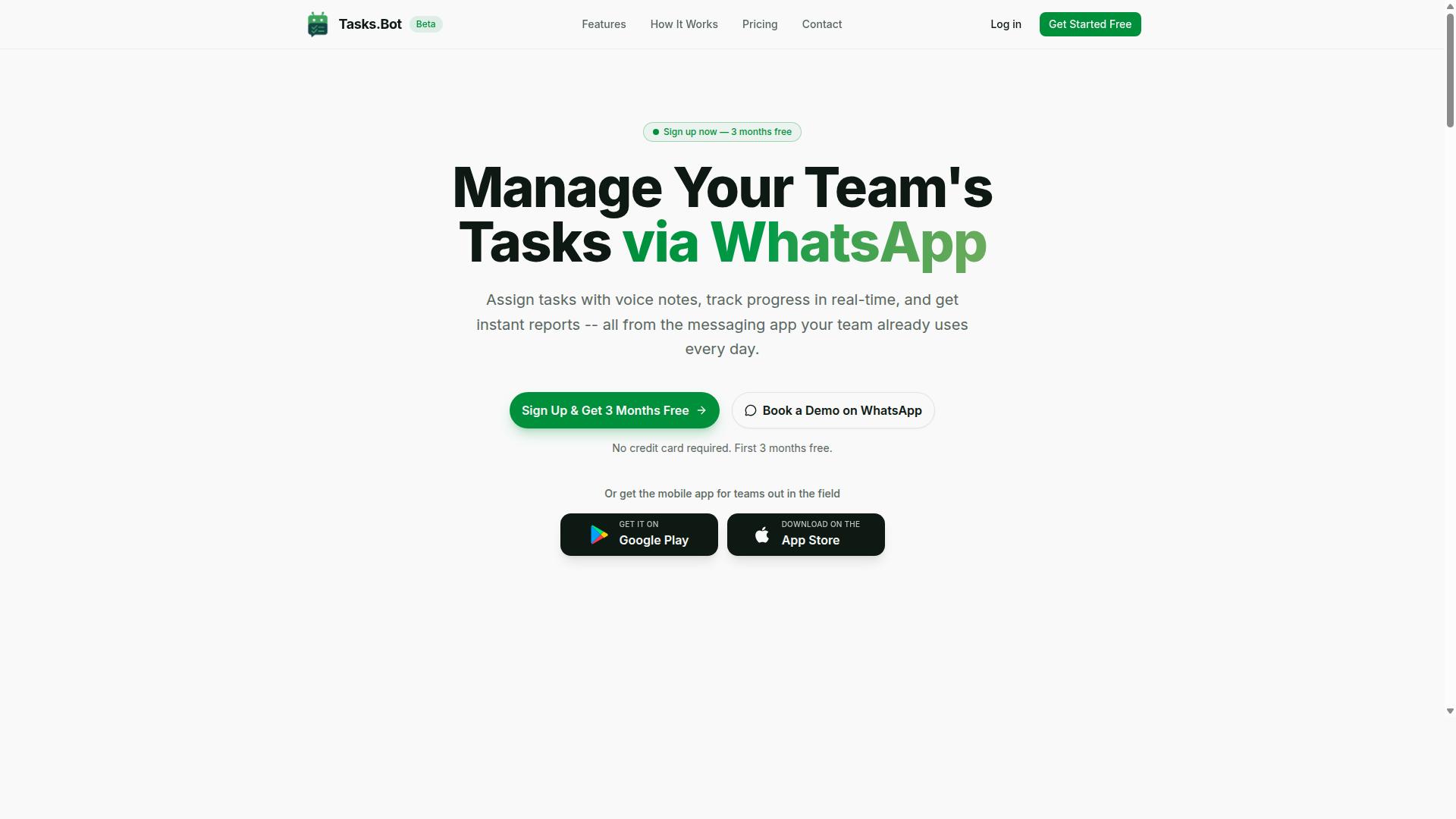
Tasks.Bot stands out as the best overall choice for teams that rely on WhatsApp for communication, offering a seamless blend of AI-driven task management and cloud-ready reporting. It turns everyday chat messages into structured, trackable work items without forcing anyone to learn a new platform.
The tool operates entirely within WhatsApp, which makes adoption nearly effortless. Since team members already use the app daily, the learning curve is minimal and the productivity gains are immediate.
What makes Tasks.Bot particularly strong for cloud sync use cases is its ability to generate instant reports that can be exported for deeper analysis. This means your task data flows naturally into your existing cloud storage and analytics workflows.
For teams evaluating AI task automation tools, the key advantage here is simplicity. You get enterprise-grade capability without the enterprise-grade complexity that often comes with traditional project management software.
WhatsApp-Native Automation with Cloud-Ready Reporting
Tasks.Bot leverages WhatsApp's ubiquity to enable task creation and automation directly from chat, while its reporting features ensure data is cloud-ready for analytics. The AI engine understands natural language and voice notes, so a spoken instruction becomes a structured task instantly.
This natural language processing extends beyond simple task creation. The system automatically assigns tasks to the right people and sends smart deadline reminders, which reduces the manual overhead that typically slows teams down.
Automation capabilities include approvals and automations, both of which are essential for maintaining consistent workflows. For field teams, face-verified attendance and live GPS tracking add a layer of accountability that many competing tools lack.
One of the strongest selling points is that team members don't need to install anything or create new accounts. This removes a major barrier to adoption, especially for organizations with non-technical staff or contractors who resist learning new software.
Reports are generated instantly and can be synced to cloud storage for further analysis. This bridges the gap between day-to-day task execution and higher-level strategic planning, making the tool genuinely useful for managers who need visibility into team performance.
Pricing and Free Trial for Global Teams
Tasks.Bot offers a straightforward pricing model that scales with team size, with plans available in both Indian Rupees and US Dollars. The Full Access plan includes all features with no hidden costs or tiered feature restrictions.
Pricing is transparent and competitive:
- Monthly plan: 200 per member per month
- Annual plan: 1,200 per year per member, saving 50%
- Currency options: Indian Rupee and US Dollar
The annual plan effectively cuts the monthly cost in half, which makes it an attractive option for teams committed to long-term adoption. For international teams, the dual-currency pricing removes friction when budgeting across different regions.
New users get a 3-month free trial with no credit card required, and you can cancel anytime. This low-risk entry point lets teams test the tool in real working conditions before committing financially.
For teams comparing AI task automation tools, this pricing structure is refreshingly simple. There are no surprise add-ons or per-feature charges, which makes cost analysis straightforward during the tool selection process.
2. Reminderly.ai
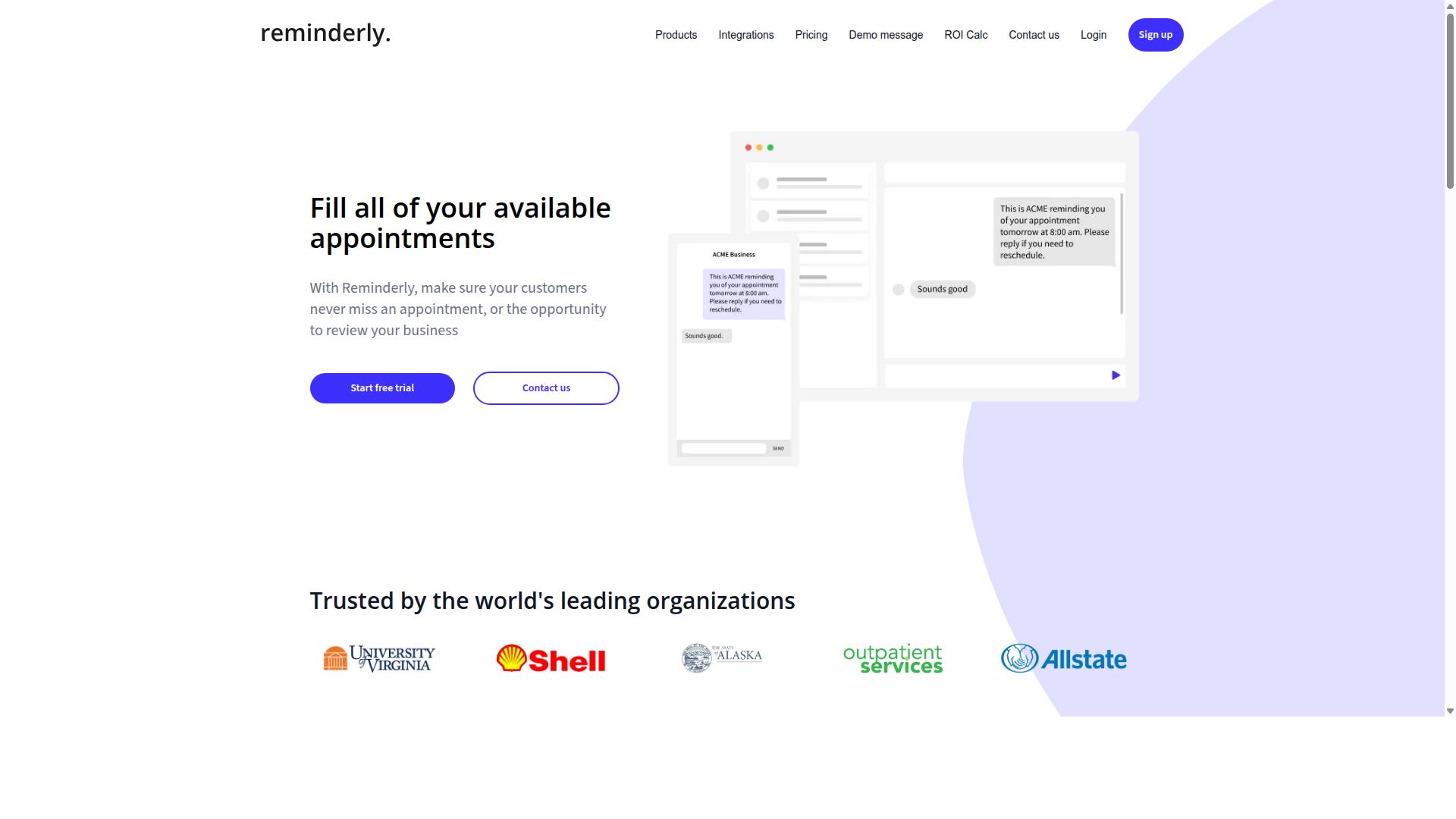
Reminderly.ai focuses on AI-driven reminders and task scheduling, but its cloud sync capabilities may be more limited compared to dedicated task managers. The platform appears to prioritize timely notifications and smart scheduling over deep data synchronization across multiple services.
For users who live inside a single calendar or to-do app, this narrower focus can work well. The AI-powered reminder system likely handles natural language input effectively, letting you type phrases like "remind me about the report Tuesday morning" without complex setup.
However, teams that need bidirectional sync between cloud storage, project boards, and communication tools may find the integration options restrictive. Advanced workflow automation, such as multi-step triggers that move files and update records across platforms, may not be a core strength here.
Where Reminderly.ai may truly shine is for individuals and small teams with straightforward scheduling needs. If your primary goal is getting the right reminder at the right time, and you do not require heavy API connectivity or event-driven architecture, this tool could be a suitable fit.
Before committing, check whether the platform supports the specific cloud storage services your team already uses. Sync frequency and conflict resolution are worth investigating, especially if multiple people rely on the same reminder data across different devices.
Research suggests that simple reminder tools often excel at their core function but struggle when users attempt to scale them into broader automation hubs. Evaluate how much integration capability you actually need before selecting Reminderly.ai over a more comprehensive task automation platform.
3. TaskRio
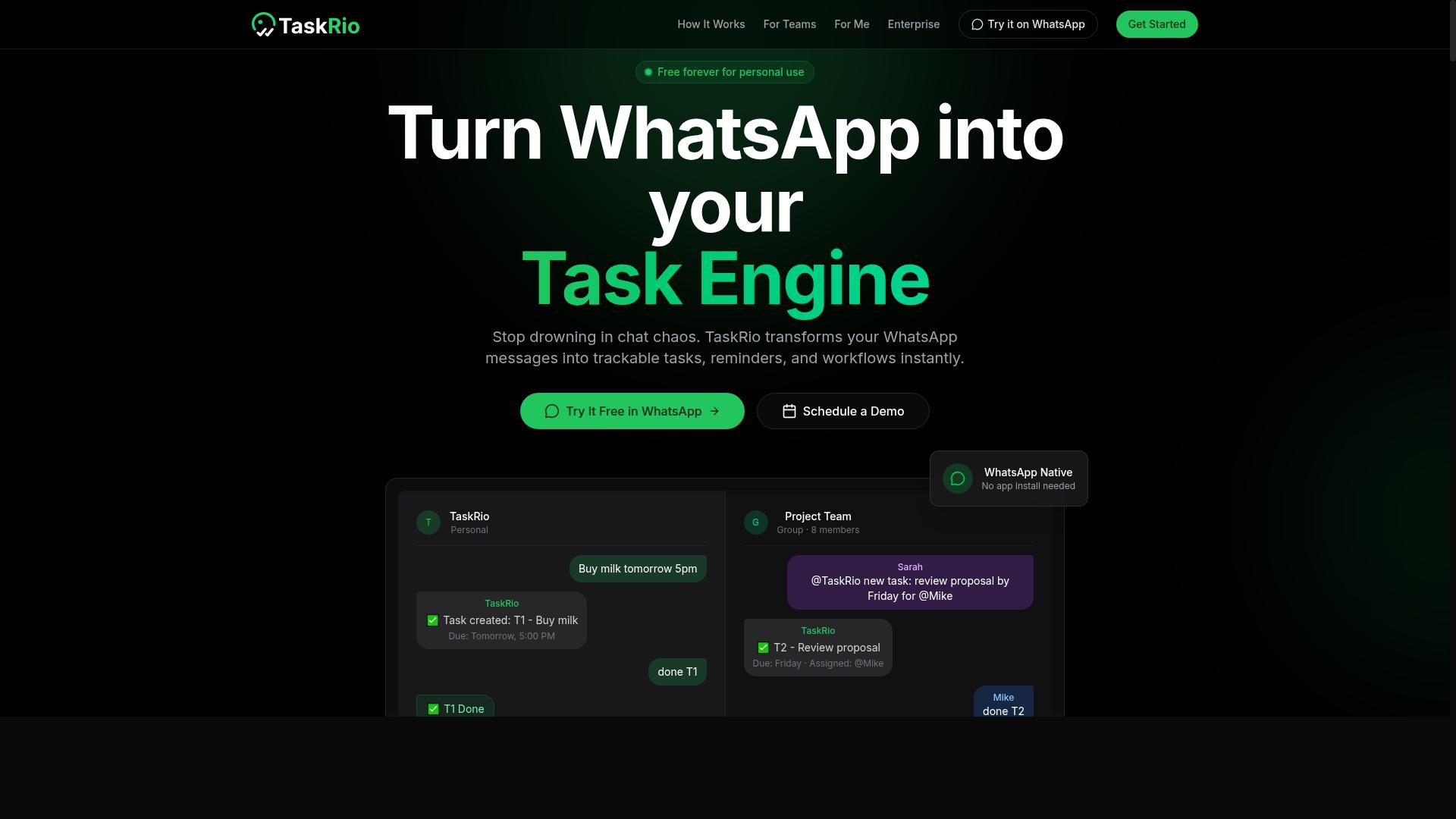
TaskRio positions itself as a workflow automation platform, but its effectiveness depends on the breadth of its integrations and the sophistication of its AI. For cloud sync use cases, the platform likely focuses on connecting your existing apps and services into automated sequences. This makes it a candidate worth evaluating when you need to move data between cloud storage, project management, and communication tools.
TaskRio probably offers a visual builder for automations, which can help you design workflows without writing code. This approach suits teams that want to map out triggers and actions visually. However, the real test comes down to its integration library and whether it covers the specific cloud services you rely on daily.
Checking the integration library is essential before committing to any automation platform. Look for native connectors to your primary cloud storage providers and business applications. More importantly, verify whether TaskRio supports bidirectional sync, meaning changes flow both ways between connected systems. One-way sync can leave your data out of date and create confusion about which version is current.
TaskRio may be powerful for complex workflows, but that power often comes with a steeper learning curve. New users might spend extra time understanding how to configure triggers, map fields, and handle edge cases. Plan for a training period if your team is not already familiar with similar automation platforms.
Before making a final decision, test TaskRio with a free trial if one is available. Use that time to build a realistic cloud sync workflow with your actual tools. Pay attention to sync frequency, error handling, and how the platform resolves conflicts when the same file changes in two places at once.
4. Karo.bot
Karo.bot aims to simplify task management through conversational AI, but its cloud sync features may be less robust than enterprise-grade solutions. The platform positions itself as a natural language interface for getting work done, allowing users to describe tasks conversationally and trigger actions without navigating complex menus.
The core appeal is its natural language processing approach. Instead of configuring automation triggers manually, you type or speak what you need and the assistant interprets the intent. This can reduce the learning curve for teams that find traditional workflow automation tools intimidating.
However, the critical question for cloud sync use cases is integration capabilities. Before committing, verify whether Karo.bot connects directly to your cloud storage providers. Check its API connectivity and confirm if it supports webhooks for custom automations, since these determine how deeply it can participate in event-driven architectures.
Karo.bot may be a reasonable fit for small teams with straightforward needs. Its conversational interface can handle basic task scheduling and file transfer requests. Yet for organizations operating under strict compliance requirements, the platform may lack advanced security compliance features such as detailed audit logs or granular encryption controls.
When evaluating Karo.bot, consider these factors:
- Confirm which cloud storage services are natively supported
- Test whether bidirectional sync and conflict resolution work as expected
- Ask about authentication methods beyond simple password login
- Review documentation for webhook and API limitations
- Assess whether the user interface scales for larger teams
Data synchronization depends heavily on sync frequency and error handling. A conversational assistant that cannot retry failed transfers or log errors clearly may create hidden gaps in your workflow automation. For mission-critical sync tasks, this could become a liability.
Ultimately, Karo.bot offers an accessible entry point into AI task automation. But teams with complex cloud sync requirements should carefully evaluate its integration depth and security posture before making it a core part of their infrastructure.
5. The Sarah AI
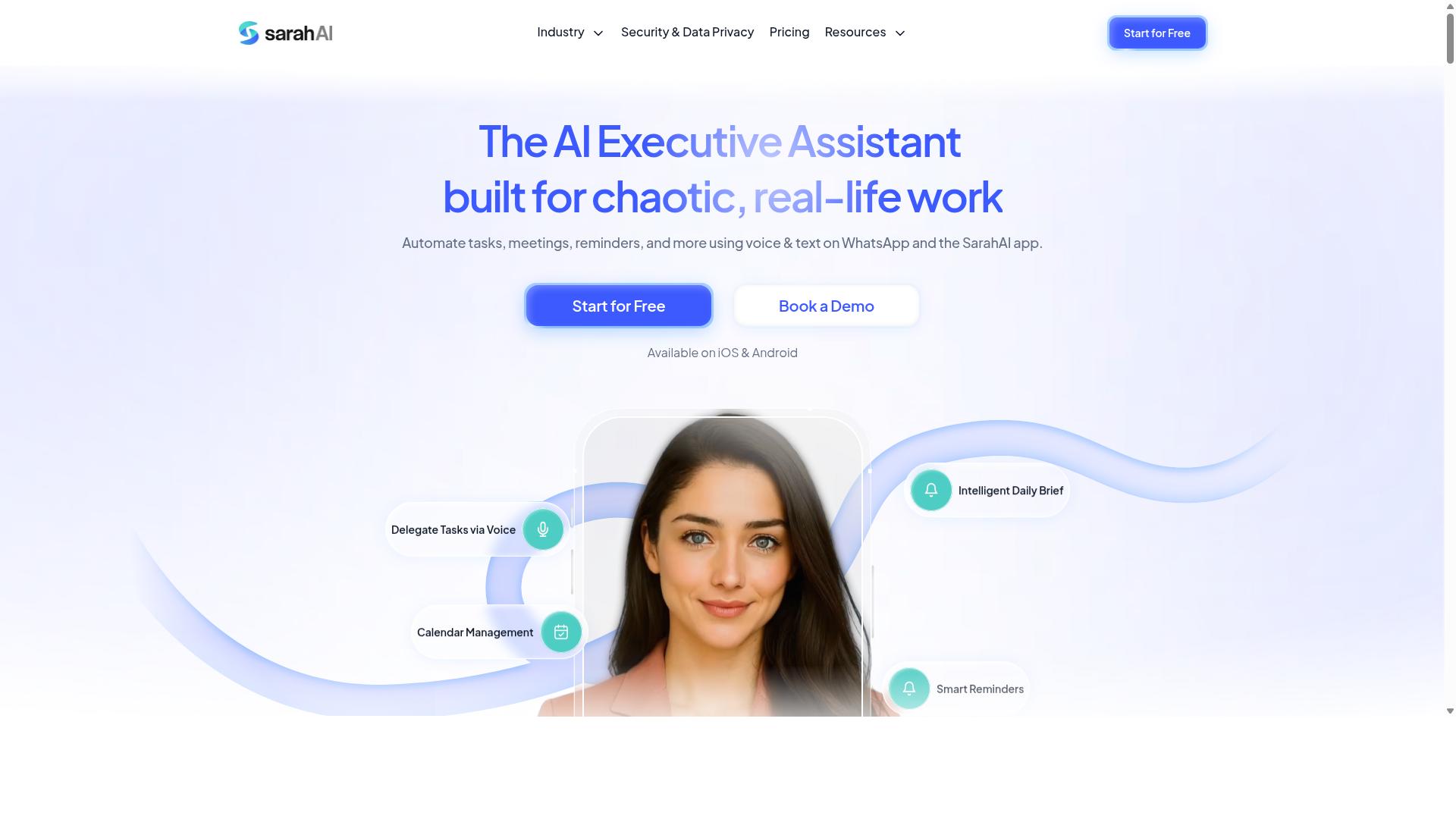
The Sarah AI brings a personal assistant approach to task automation, but its suitability for cloud sync depends on the depth of its cloud storage integrations. This tool positions itself around conversational interaction, letting users describe tasks in plain language rather than wrestling with complex configuration screens.
Its user interface is a clear strength. The design leans toward simplicity, with natural language processing that interprets requests like "sync my reports to Drive every morning" without requiring technical expertise. For teams that prefer talking to software over building workflows, this lowers the learning curve considerably.
However, the picture changes when you examine its cloud sync and automation triggers. The Sarah AI may handle straightforward scheduling well, but its integration capabilities with popular cloud storage services can be less comprehensive than dedicated workflow tools. Before committing, you should verify which providers it supports natively and whether it covers the ones your team actually uses.
Data synchronization is another area worth scrutiny. Check the sync frequency options, whether it supports bidirectional sync, and how it handles conflict resolution when files change in multiple locations simultaneously. These details determine whether the tool works smoothly in real-world conditions or creates more overhead than it saves.
Security and authentication matter just as much. Look for proper OAuth support, encryption in transit and at rest, and clear documentation about how your data is handled. A tool that excels at natural language but falls short on API connectivity may frustrate power users who need deeper automation control.
For teams with simple task scheduling needs and a preference for conversational interfaces, The Sarah AI could be a reasonable fit. But for complex workflows that depend on reliable file transfer and robust event-driven architecture, you may outgrow its capabilities quickly. Request a demo and test it against your actual cloud storage setup before making a decision.
How to Choose the Right Option
Choosing the right AI task automation tool requires a systematic evaluation of your team's specific workflow, sync needs, and long-term scalability. The tool that works perfectly for a remote software team may fail completely for a field operations crew that lives in WhatsApp.
Start by listing the tools your organization already relies on daily. Note where tasks get stuck, where data gets lost, and which repetitive actions consume the most hours each week. This baseline gives you a clear checklist for evaluating any candidate tool.
Your decision should balance three core areas: how well the tool fits your existing workflow, how securely it handles your data, and whether it can grow with your team. The following breakdown walks through each area step by step.
Assessing Your Team's Workflow and Sync Needs
Start by mapping your team's current task management workflow and identifying where automation and cloud sync can save time. List the tasks that consume the most time, note the tools your team already uses, and determine the frequency of updates needed for each process.
Ask yourself these practical questions during the assessment:
- Which recurring tasks require manual data entry or file transfer between apps?
- What is your current sync frequency, and does it cause latency or delays in decision-making?
- Which team members work outside the office, and what devices or apps do they use daily?
- Do you need bidirectional sync, or is one-way data synchronization sufficient?
Evaluate whether the AI capabilities of each tool align with your actual needs. For example, field staff often need voice note support rather than typing out long task descriptions. A tool with natural language processing that understands spoken instructions can dramatically reduce friction for those workers.
For teams already using WhatsApp, Tasks.Bot's native integration is a strong fit. The platform is designed specifically for teams that communicate through WhatsApp, and it supports task management, attendance tracking, and payroll-ready hours. Hundreds of teams already use the service, which suggests it handles real-world field operations well.
Also consider the user interface and how easily your team will adopt the tool. A powerful automation platform that requires extensive training may create more problems than it solves. Look for tools that fit naturally into the communication channels your team already uses.
Comparing Security, Scalability, and Support
Security, scalability, and support are critical factors that can make or break your chosen tool's long-term viability. Even the most convenient automation tool is worthless if it puts your data at risk or cannot handle your growing team size.
When evaluating security, check for these essential features:
- End-to-end encryption for data at rest and during file transfer
- Secure authentication methods such as OAuth or single sign-on (SSO)
- Compliance certifications relevant to your industry, such as GDPR or SOC 2
- Clear policies on data ownership and vendor lock-in prevention
Scalability matters just as much as security. Consider whether the tool can handle an increasing volume of tasks and automation triggers as your team grows. Check if the pricing model scales reasonably and whether the platform's event-driven architecture supports your future needs.
Customer support and documentation quality are often overlooked during tool selection. Comprehensive documentation helps your team troubleshoot issues independently, while responsive support resolves critical problems quickly. Look for vendors that offer direct contact options rather than only automated responses.
A free trial is essential for testing real-world performance. Use the trial period to evaluate sync frequency, error handling, and conflict resolution in your actual workflow. Test how the tool performs under your typical task volume and verify that the integration capabilities match your requirements.
Note that while Tasks.Bot is currently in beta, it provides direct contact options for support. This can be an advantage for teams that prefer personalized assistance over ticket-based systems. During your trial, reach out with questions and gauge how quickly and thoroughly the vendor responds.
Final Verdict
After comparing the top AI task automation tools, Tasks.Bot emerges as the most compelling choice for teams that live in WhatsApp and need cloud-ready task management. The tool stands out because it requires no new installations, which removes the biggest barrier to adoption in fast-moving teams.
Most automation platforms demand setup time, configuration, and training. Tasks.Bot flips that model by letting you create tasks from natural language and voice notes directly through your existing workflow. This makes AI task automation accessible to everyone on the team, not just technical staff.
The instant reporting feature gives managers a clear view of progress without manual status updates. When paired with cloud sync capabilities, this means your task data stays current across devices and team members without extra effort.
Pricing remains a key consideration for any tool selection process. Tasks.Bot offers a free trial so you can evaluate the platform against your specific use case fit before committing. This low-risk approach lets you test integration capabilities and data synchronization with your actual workflows.
Before deciding, assess your own needs honestly. Consider your team's familiarity with automation tools, your required sync frequency, and whether you need bidirectional sync or conflict resolution for complex projects. These factors will determine which platform truly serves your operations.
For teams ready to move forward, the demo option provides a practical way to see Tasks.Bot in action. You can reach the team directly at +91 97143 42522 or email hello@tasks.bot to discuss your requirements and get started with your free trial.
Frequently Asked Questions
How is Tasks.Bot different from other AI automation tools for cloud sync?
Tasks.Bot is unique because it operates entirely within WhatsApp, so your team doesn't need to install new software or create new accounts to manage tasks. While other tools focus on dashboards or complex integrations, Tasks.Bot uses AI to understand natural language and voice notes, letting you create tasks and trigger automations directly from your existing chat interface. This makes it especially practical for teams that already rely on WhatsApp for daily communication.
Does Tasks.Bot require a separate app or login for each team member?
No. One of Tasks.Bot's core advantages is that team members don't need to install anything or create new accounts-they simply use WhatsApp, which they likely already have. This removes the adoption barrier common with many cloud sync and task automation tools, making it a top choice for field teams or non-desk workers who may struggle with new software.
Can Tasks.Bot handle complex automations like deadline reminders and approvals?
Yes. Tasks.Bot includes smart deadline reminders, approvals, and automations as part of its feature set. It also uses AI to interpret natural language and voice notes for task creation, meaning you can describe a task conversationally and the system will assign it and set up the relevant automated follow-ups without manual configuration.
Is Tasks.Bot affordable for small teams compared to other AI automation tools?
Tasks.Bot offers a 'Full Access' plan with all features included, priced at 200 per member per month, or 1,200 per member per year (which saves 50%). Since pricing is available in both Indian Rupees and US Dollars, it's accessible globally. We don't have verified pricing for competitors, but Tasks.Bot's flat per-member model with all features included is straightforward and predictable for budgeting.
Does Tasks.Bot support field teams that need location-based task tracking?
Yes. Tasks.Bot offers tasks on a map and live day tracking, which are specifically designed for teams with field staff. It also provides face-verified attendance and payroll-ready hours, making it a comprehensive solution for managing remote or mobile workers-something that general-purpose cloud sync tools often lack.
Is Tasks.Bot reliable enough for daily production use, and is there support?
Tasks.Bot is currently in beta but is already used by hundreds of teams, and the site includes a refund policy in the footer for peace of mind. You can book a demo directly on WhatsApp, and support is available via phone (+91 97143 42522) or email (hello@tasks.bot). This hands-on support channel is a practical advantage over many automation tools that only offer ticket-based help.